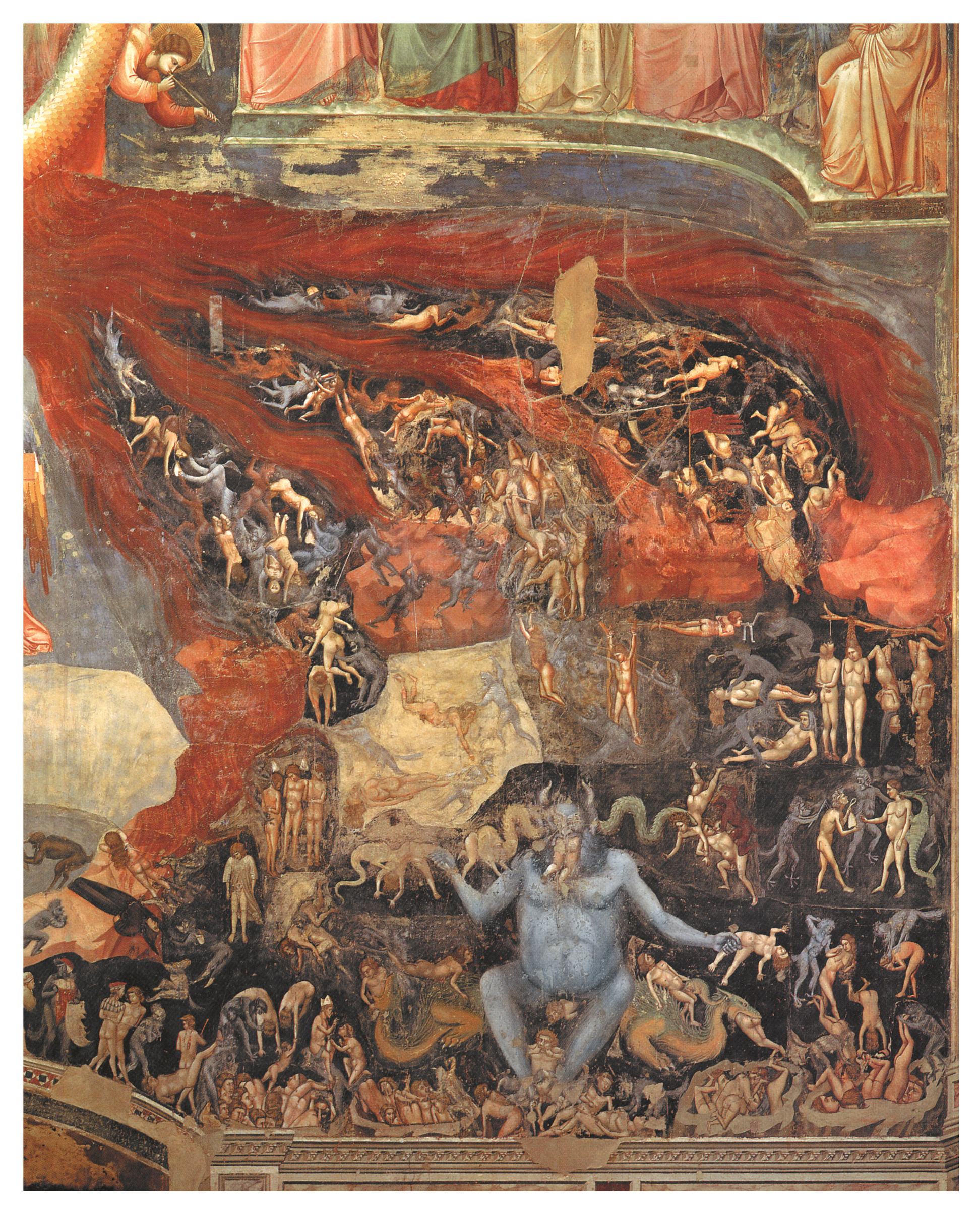
I’ve been blessed by a brother in Christ who recently moved to Strasburg (he and his wife being potential attendees of the church I am minister for). When I meet with a possible new member who especially cares about theology, I figure it is best to be up front about anything he or she might find problematic. The largest doctrinal difference I have with traditional Christianity is around hell. I am an “annihilationist”…although it’s probably better to say I am a “conditionalist,” in that I believe in conditional immortality.
That is, if you are saved, you live forever. If you are not, you cease to exist. Your immortality is conditional. The wicked are annihilated.
Either way, I promised this gentleman I would get him biblical back-up for why I believe the lost are destroyed versus sent to a place of eternal torment. Today, I dug up a paper I wrote while attending Liberty University. It was a critique of “The Final End of the Wicked” by Edward Fudge, which was published back in 1984 in The Journal of the Evangelical Theological Society. Fudge is famous for his larger book on that subject, The Fire that Consumes: A Biblical and Historical Study of the Doctrine of the Final Punishment.
Well…wrapping up the preamble…after the critique, I had to provide my personal conclusion. Without further ado, here it is:
Personal Conclusion
I believe God alone is immortal (1 Timothy 6:16) and that the saved only enter eternity because He resurrects them and provides them with the river of life (Revelation 22:1). Since the wicked are not immortal, when God removes His life sustaining power from them, they die—forever. As I mention above, if we are not immortal, then there is no “need” for hell (other than as a description of the eternal destruction of the wicked). Fudge does a fair overview of how an annihilationist would respond to most of the eternal torment references, so I would rather focus on some of the higher level considerations that make annihilation more logical, at least to me. Continue reading “The Final End of the Wicked”